Chauntel Norris Director, Alabama Prison Birth Project; Co-founder, Baobab Birth Collective
Chauntel Norris is the director of the Alabama Prison Birth Project, a doula certified lactation counselor, and LaMaze-certified childbirth educator. She is also the co-founder of Baobab Birth Collective, a community-based organization that provides doula care, lactation support, and early parenting resources. Through her work, Chauntel supports both families in the community and pregnant people who are incarcerated, working to improve birth experiences for all.
Note: This interview has been edited for length and clarity.
What drew you to birth work?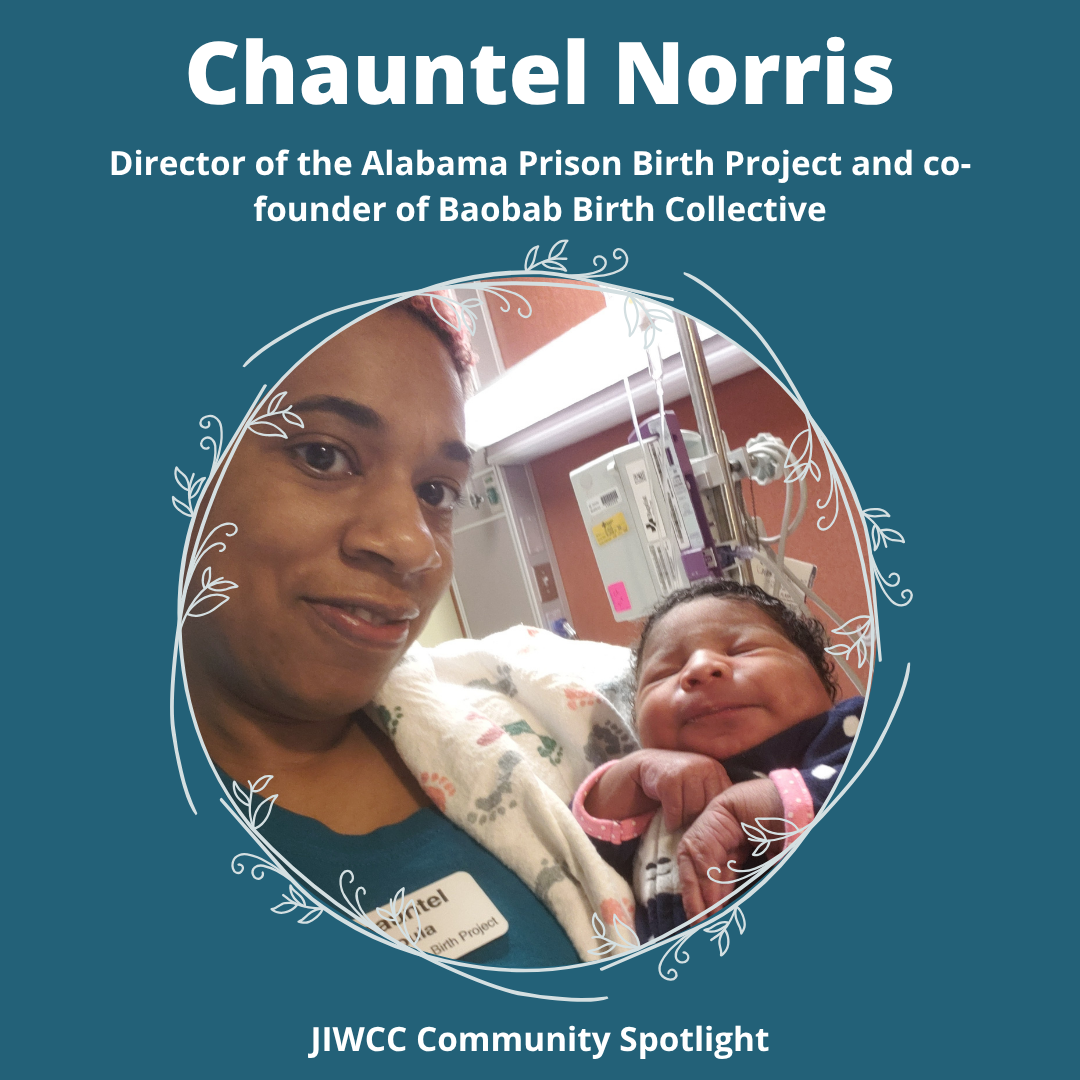
I had two children with very medicalized hospital births–what you typically see and expect. Then I supported a friend during her home birth. At the time, midwifery was illegal in Alabama, so it was very hush-hush. She had experienced trauma in a hospital setting and wanted something different. Being there for her birth was a completely different experience. It was beautiful. To be honest, I felt cheated in my own birth experiences. That moment made me realize that people should at least know they have options.
I started researching how to get involved and learned about doulas. I realized that was something I could do locally. I took a doula training, and that became my entry into birth work and reproductive justice. During that training, I met my business partner, and we started showing up together in the community. We saw what was needed and decided to create Baobab Birth Collective to meet those needs.
How does Baobab Birth Collective center culturally responsive, community-led care?
We serve the communities we are a part of–our neighbors, family members, and friends. My partner and I are both Black women living in Black communities, and that’s primarily who we serve. We’re always mindful that even within communities, there are differences. We aim to honor each person’s identity, preferences, and experiences. That includes respecting gender identity, using the correct pronouns, and creating space for everyone we serve.
 What led you to focus on supporting people who are pregnant while incarcerated?
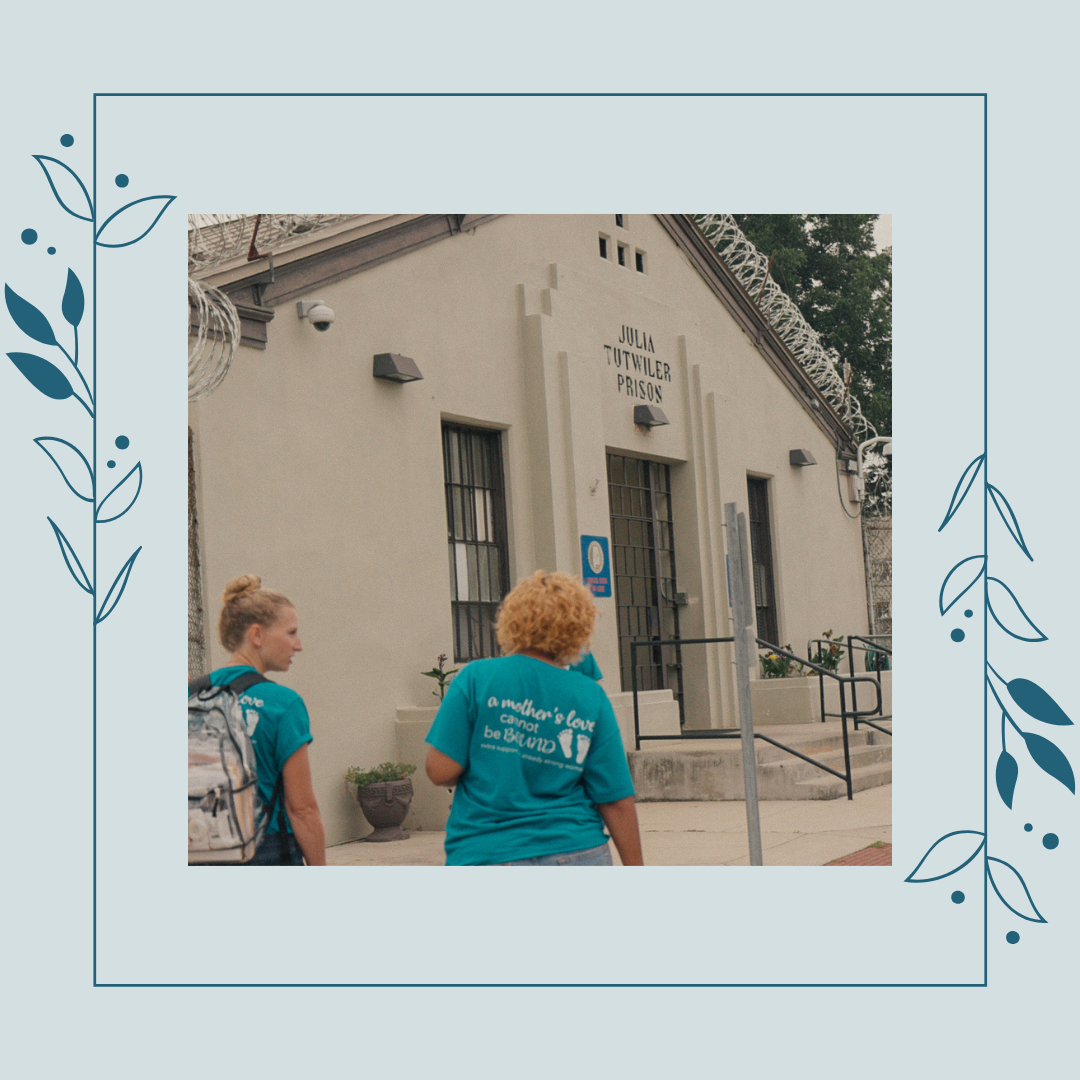
I had been a doula for about a year when my brother’s girlfriend became pregnant and was incarcerated. I didn’t know that pregnant people were incarcerated in this country. Hearing about her experience was devastating–how lonely and dehumanizing it was. She gave birth shackled to a hospital bed with officers present, including a male officer. Everything about it was not trauma-informed or respectful. I started asking questions and talking to others in the birth community. Around the time, Tutwiller Prison was under pressure to improve conditions after a Department of Justice lawsuit. A nurse there learned about prison doulas, and reached out to the community. Local doulas and doulas from across the country came together to discuss what a program could look like in Alabama. That meeting led to the creation of the Alabama Prison Birth Project.
What are the most significant barriers incarcerated parents face?
One of the biggest barriers in being separated from their children. Trying to parent from a carceral setting is incredibly difficult. You may not even find out about something happening with your child until much later. The mental and emotional impact of that separation is also deeply underestimated–for both parents and children.

Why is lactation support during incarceration both a health issue and a justice issue?
It’s a justice issue because all children should have access to their parents’ milk when possible. Breast milk is uniquely designed for each child and has lifelong health benefits. When access is disrupted, the risk of health issues like asthma, obesity, and diabetes increases. Breast milk acts as a protective factor. Preventing access to it is essentially withholding a form of medicine from infants, making it a health issue as well.
What progress have you seen in birth equity efforts, and where is more work needed?
When I first started, conversations about birth equity were mostly focused on race. Now, the conversation is expanding to include incarcerated people, people in immigration detention, and people with disabilities. We’re also becoming more intentional about asking whose voices are missing and bringing them into the conversation. At the same time, we cannot lose focus on Black and Brown communities. The same disparities I saw when I started this work 12 years ago still exist today. We know the solutions–we just haven’t fully acted on them yet.
How do policies shape pregnancy and birth experiences for incarcerated people?
Every policy has consequences. When people are incarcerated while pregnant, their access to care is limited. They may not be able to choose a provider who knows their history, which can impact outcomes. In Alabama, we are currently working on legislation that would allow pregnant people to remain in the community – under supervision – until up to 12 months postpartum. This would allow them to give birth and recover in a supportive environment before serving their sentence.

What do you hope people take away from your work?
I want people to understand that justice-involved parents are part of our communities. These are our neighbors and family members. We need to stop “othering” them and instead focus on supporting families from the very beginning. Strong families create strong communities, and that starts with ensuring parents and babies are supported, not separated, at the start of life.
If anyone is interested in starting a similar program in their community, I encourage them to reach out. We don’t have to start from scratch–we can build on what already exists and continue growing this work together.
Thank you to Chauntel Norris for sharing her time, insights, and dedication with JIWCC, and for her continued advocacy and care for families navigating pregnancy and parenting within the carceral setting.