#UMNMCH student Addie Engebretson (MPH 2026) wrote this reflection on how her deployment 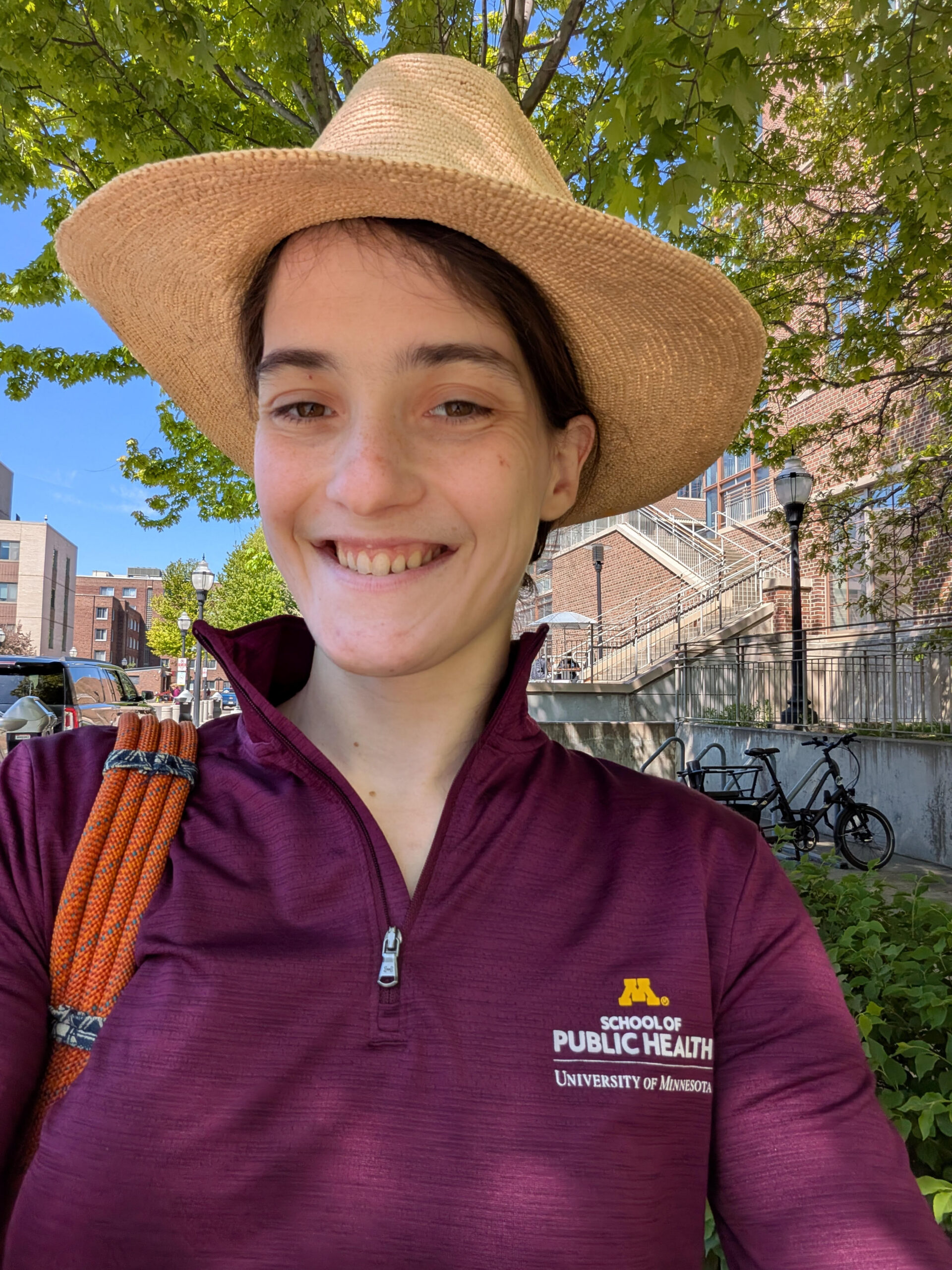 with the Minnesota Department of Health’s WIC program combined her passions surrounding birthing care practices with her qualitative research skillset. She shares how this project has strengthened her research skills and reinvigorated such passions, while remaining community-based and culturally competent.
I began my MPH with the intention to continue my work as a burgeoning social scientist, my undergraduate background being in medical anthropology. As a student, I have been consistently invested in understanding health and healing cultures from a public health perspective, both here in the United States and globally. For these reasons, when I saw that there was an opportunity to combine my three main academic interests (religion, public health, and qualitative research) through a Center deployment, I jumped at the chance. This internship was completed in support of the Minnesota Department of Health’s (MDH) WIC program.
In my particular project, I examined the impacts of an Islamic religious ruling, or Fatwa, on attitudes of staff and patients towards pasteurized donor milk (PDM). This Fatwa was created by local Imams after they had worked with the Minnesota Milk Bank. During the Minnesota Milk Bank’s past projects with MDH, researchers learned that many Muslim families in Minnesota weren’t comfortable using this milk, because they were unsure of the permissibility of giving an infant PDM according to religious guidelines.
To assess what medical staff in Minnesota thought about the Fatwa, and whether or not it has helped with people’s comfort around PDM as patients or staff, MDH student workers conducted 32 interviews this past year. In my particular role, I have pursued qualitative coding of this data in NVivo software to analyze the main themes of participants’ responses. In order to finalize this qualitative theme analysis, I was recently awarded a stipend from the Maternal and Child Health Bureau (MCHB) for a Region V Public Health Training Center (RVPHTC) to continue collaborating with MDH’s Breastfeeding Coalition on this work. I will continue to work with both MDH and the Minnesota Milk Bank to ensure that this project’s findings will be shared with participating individuals and organizations in accessible formats.
Overall, I am grateful to have had this opportunity to merge my existing coursework tied to public health concepts with my longstanding love of medical anthropology. Working on this project has allowed me to gain professional skills and pursue my personal passions to support welcoming and accessible birthing and childrearing practices. Research is a tool to amplify the strengths of cultural systems of health and healing, as well as accommodate their shortcomings. In the case of the Minnesota-based biomedical system of hospitals, myself and others continue to use such research to help hospitals better meet the needs of their patients and wider communities.
BIO
Addie is a third year MCH MPH student. Addie received her BA from Macalester College in 2022. Connect with Addie on Linkedin.
–Read Student Spotlight archives
Interested in learning more about getting a degree in MCH? Visit our MCH Program page for more information.
#UMNMCH #UMNproud #UMNdriven